 By mrtwinsvlog@gmail.com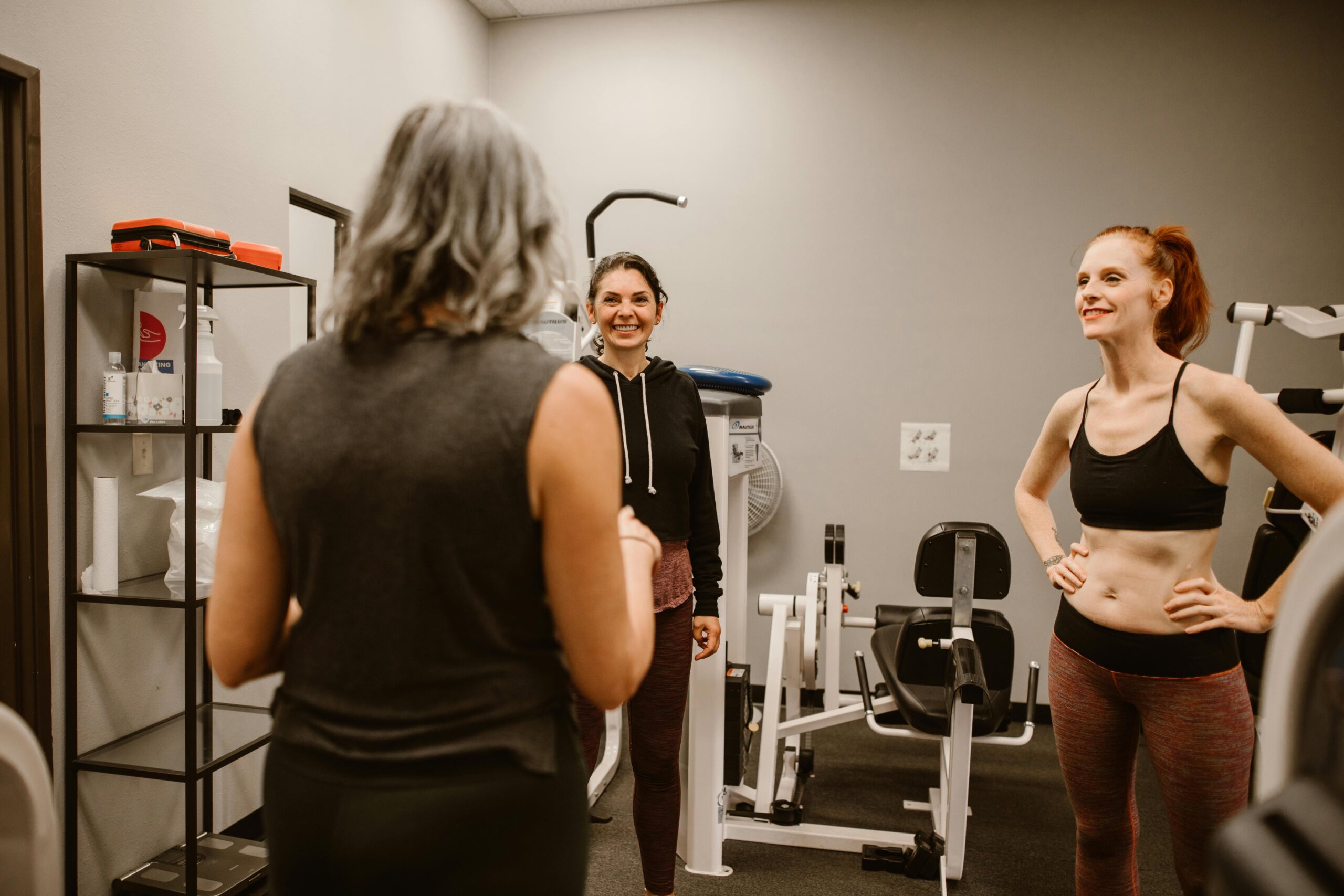
Empower Your Wellness with a Menopause Health Coach
Menopause is a significant life transition that affects millions of women globally, yet it’s often misunderstood and unsupported. In today’s health-conscious world, working with a menopause health coach offers women tailored solutions to manage symptoms, balance hormones, and reclaim vitality. This guide explores everything you need to know about menopause coaching, from foundational principles to practical applications and future outlooks.
Understanding the Fundamentals
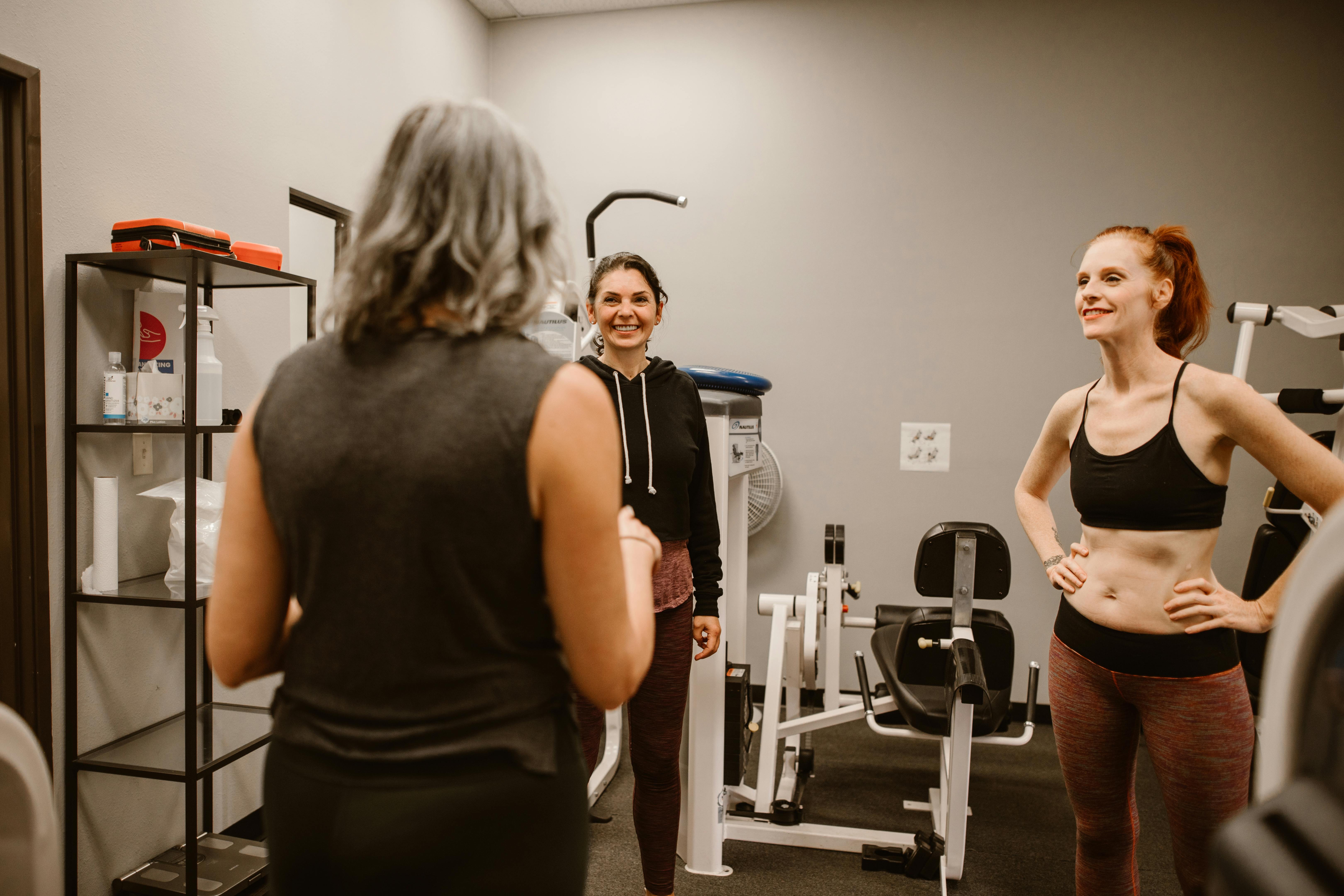
A menopause health coach is a professional trained to support women through the physical, emotional, and psychological changes associated with perimenopause and menopause. Their role is rooted in holistic health, personalized strategies, and empowerment through education and habit transformation.
Unlike traditional medical interventions, menopause health coaching focuses on sustainable lifestyle changes, nutritional guidance, and mindset shifts. Think of it as having a supportive partner who helps you decode your body’s signals during this complex time of transition.
1.1 Hormonal Literacy and Its Impact
Hormonal literacy means understanding how estrogen, progesterone, and testosterone levels affect bodily systems. For instance, decreasing estrogen can influence mood, weight, and bone density. According to a 2022 Mayo Clinic study, over 75% of women reported moderate to severe symptoms during perimenopause, yet less than 30% sought treatment or support.
A menopause health coach helps women recognize these symptoms early and manage them proactively through diet, stress reduction, and sleep optimization—replacing fear with empowerment. Many women falsely believe these symptoms are “just part of aging,” but coaching challenges this misconception with practical strategies.
1.2 Individualized Support vs. One-Size-Fits-All
Unlike generalized wellness advice, a health coach for menopause tailors strategies to the unique biology, lifestyle, and emotional health of each client. This personalized care plan can include specific dietary shifts, exercise recommendations, and sleep hygiene improvements.
Consider Jane, a 48-year-old executive suffering from brain fog and fatigue. With coaching, she learned to stabilize her blood sugar, reduce caffeine, and incorporate breathwork into her daily routine—reclaiming focus and energy within weeks.
Practical Implementation Guide
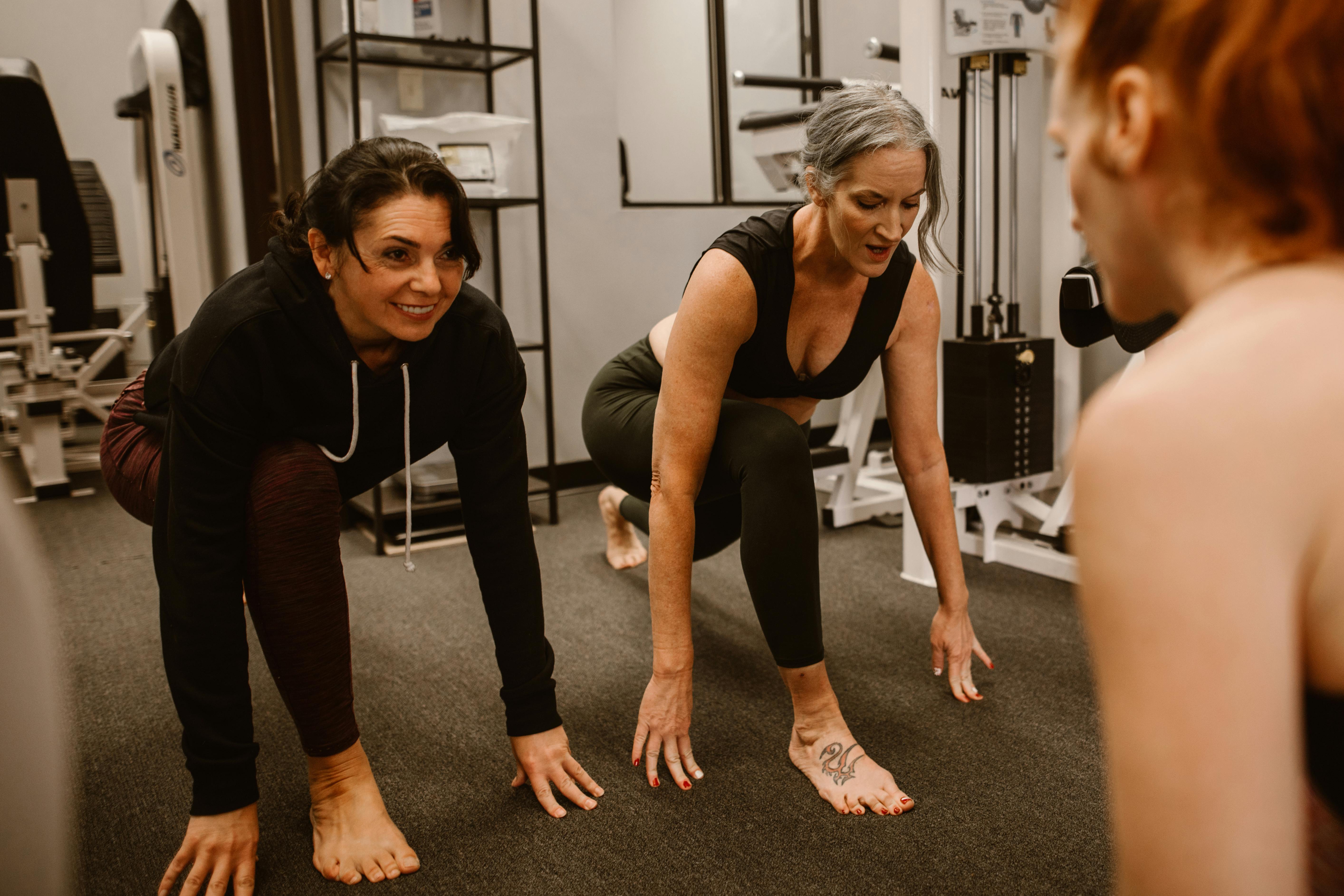
Transitioning from understanding to action is where the power of a menopause health coach truly shines. By creating structured programs, they guide clients through meaningful change while setting realistic expectations for results that build over time.
2.1 Actionable Steps
- Step 1: Initial Assessment: The coach gathers health history, current symptoms, stress levels, and lifestyle habits.
- Step 2: Strategic Planning: Clients receive a customized plan addressing nutrition, movement, sleep, and mindset practices.
- Step 3: Tracking and Adjusting: Weekly check-ins and habit tracking ensure accountability and flexible adjustments.
2.2 Overcoming Challenges
Here are common obstacles and how a menopause health coach helps overcome them:
- Resistance to change: Coaches use motivational interviewing and mindset coaching to build trust and reduce fear.
- Time constraints: Micro-habits and calendar blocking are introduced to fit wellness into a busy schedule.
- Symptom flare-ups: Clients learn how to adapt nutrition, hydration, and stress relief tools in real-time.
Pro tips include meal prepping once per week, practicing 5-minute morning meditations, and using apps for hydration reminders.
Advanced Applications
Once foundational habits are in place, advanced coaching techniques help women optimize health even further. This is especially helpful for those managing chronic conditions, surgical menopause, or seeking peak performance in midlife.
3.1 Integrative Functional Nutrition
Advanced coaching involves functional testing like cortisol curves, gut microbiome panels, or food sensitivity assessments. These tools inform precise dietary interventions. For example, adjusting protein intake based on amino acid deficiencies can significantly improve energy and mood.
In one case, a client with autoimmune thyroid issues saw reduced inflammation after removing gluten and increasing omega-3 intake—guided by her coach’s data-driven approach.
3.2 Biohacking and Technology Integration
Coaches may introduce wearables like Oura Rings or continuous glucose monitors to gather real-time feedback. These devices help women understand how sleep patterns, food, and stressors affect their hormonal rhythm.
Integrating this technology supports precision coaching and higher engagement, transforming midlife into a time of strategic reinvention rather than decline.
Future Outlook
The field of menopause health coaching is rapidly growing. Trends include AI-supported coaching platforms, employer wellness initiatives for midlife women, and increased recognition in the healthcare industry.
Over the next 3-5 years, expect to see menopause support embedded into corporate HR benefits and digital therapeutic apps. Women can prepare by becoming proactive about their health now—partnering with trained professionals rather than waiting for symptoms to worsen.
Conclusion
Three key takeaways: First, menopause health coaches offer personalized, holistic support. Second, consistent coaching transforms symptoms into strength. Third, advanced techniques unlock deeper well-being and vitality.
Ready to thrive through menopause? Start by exploring coaching services, booking a discovery call, and setting your personal wellness goals today. Empowerment begins with informed action.
Frequently Asked Questions
- Q: What exactly does a menopause health coach do? A coach helps manage symptoms, improve lifestyle habits, and guide women through the menopausal transition with personalized support.
- Q: How do I get started with a coach? Begin with a consultation to assess your needs, then develop a tailored action plan based on your goals and symptoms.
- Q: How much time should I commit weekly? Most programs suggest 2–3 hours per week for calls, tracking, and implementing changes, though this varies by individual.
- Q: What’s the typical cost of menopause health coaching? Prices range from $100–$300 per session or $1000+ for 8-12 week packages depending on expertise and offerings.
- Q: How does coaching differ from seeing a doctor? Coaches focus on lifestyle, habits, and empowerment—complementing, not replacing, medical care.
- Q: Do I need health or fitness experience? No prior experience needed. Coaches meet you where you are and guide gradual, sustainable progress.
- Q: Can this help with menopause in specific professions? Yes—whether you’re a teacher, executive, or athlete, coaches offer tailored strategies for workplace and lifestyle integration.